Choosing the right shape for replacement windows matters more than most homeowners realize. Window shape can influence how heat and air move in and out of your home, making it an important consideration for comfort and energy efficiency. When shape gets overlooked, you can lose natural light, airflow, and energy savings. This window replacement guide walks you through five simple steps to help you choose shaped replacement windows that fit your home, improve comfort, and support efficient home window installation.
Key Takeaways
- Window shape affects energy use, light, and airflow
- Shapes should match your home’s architectural style
- Different window shapes support light, ventilation, or both
- Custom window shapes require precise, professional installation
- The right window materials balance cost, performance, and longevity
Step 1: Evaluate Your Home’s Architecture
Start by looking at your home’s overall style. Window shape should match the way your house was designed. When the shapes line up with the architecture, replacement windows for homes look natural instead of forced. This step helps shaped replacement windows feel like they belong, inside and out.
Common home styles and window shapes that work best:
- Traditional homes: Double hung windows, single hung windows, picture windows, and soft arches keep the look classic.
- Modern homes: Clean shapes like squares, rectangles, and custom shaped windows with sharp lines fit best.
- Farmhouse or transitional homes: Picture windows paired with casement windows balance style and function.
- Custom designs: Shape windows that follow roof lines or unique openings add character without overdoing it.
The goal is visual balance. Window shapes should feel consistent across the front of the house and flow well between interior and exterior spaces. When shapes match your home’s style, natural light improves, and the entire design feels more polished.
Step 2: Understand Different Window Shapes
Window shape is not just about looks. Each shape changes how much light enters the room, how air moves, and whether the window opens or stays fixed. Before you replace your windows, it helps to know which shapes solve specific problems and which ones are mainly decorative.
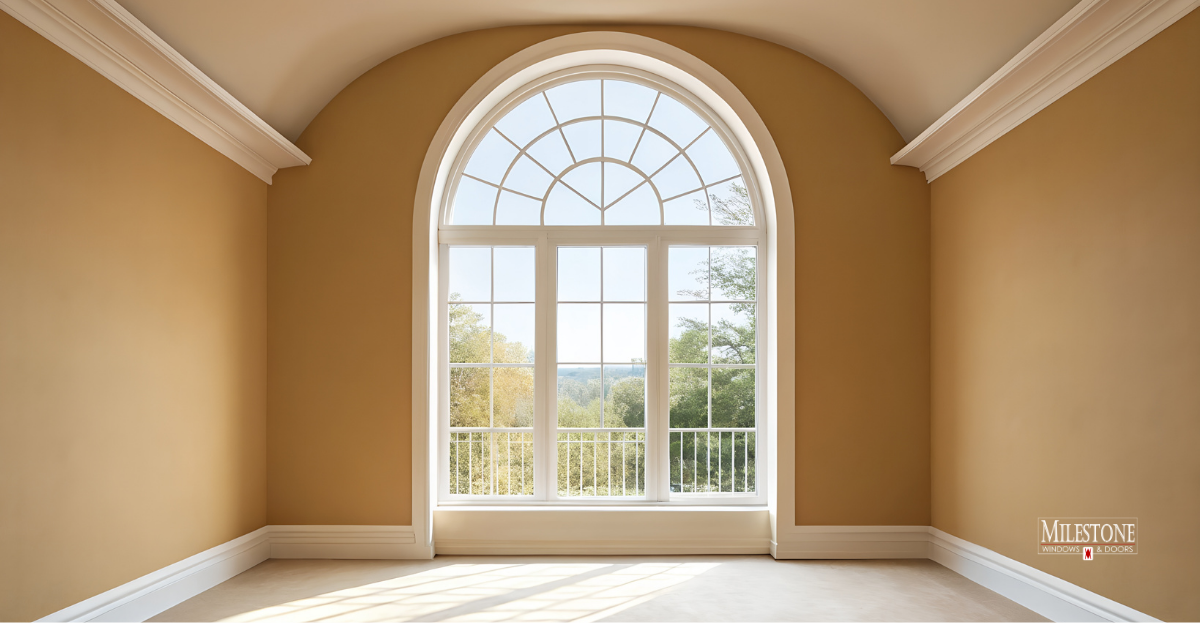
| Window Shape | Best Use | Opens or Fixed | Arched windows | Adds light above doors or tall walls | Fixed window | Circular or oval windows | Brightens small or private spaces | Fixed window | Bay and bow windows | Expands space and improves views | Combination | Custom-shaped windows | Fits unique openings or angles | Fixed or operable |
Some homes have openings that standard replacement windows for homes cannot handle. That is where custom-shaped windows come in. They allow shape windows to follow rooflines, angles, or original designs without sacrificing energy performance.
Pro tip: If a window does not need airflow, a fixed window with high-quality glass can boost natural light while keeping energy-efficient windows front and center during home window installation.
Step 3: Consider Functionality and Performance
Window shape affects how your home feels every day. Homes in the Houston area often deal with intense heat and humidity, which makes proper sealing especially important for custom-shaped windows. Some shapes bring in more natural light, while others improve airflow or stay sealed year-round. Before you replace your windows, think about what each room actually needs to stay comfortable.
How window shape impacts performance:
- Shapes that open, like casement windows and awning windows, improve airflow and help cool rooms faster.
- Fixed window shapes, such as picture windows or circular designs, focus on light and views instead of ventilation.
- Larger shapes often need stronger frames to stay secure and energy efficient over time.
Energy efficiency depends on more than glass alone. Heat transfer changes based on how well the window seals and how the frame supports the glass. Triple panes, energy star certified glass, and tight sealing help limit heat loss and heat gain.
Different shapes also affect frame choice. Large or custom-shaped windows may need aluminum-clad or reinforced window material to stay durable. Choosing the right window features helps protect both interior and exterior spaces while keeping energy bills in check.
Step 4: Measure and Assess Installation Requirements
Shaped replacement windows need exact measurements. Even being off by a small amount can cause gaps, leaks, or poor sealing. Before you replace your windows, every opening should be measured carefully to make sure the new window fits the space and performs as it should.
Some shapes come with added structural needs. Arches, circles, and large custom shaped windows may require extra wall support or framing changes. Older homes may also need resizing to meet current building standards. These details matter because they affect long-term strength and energy efficiency.
Professional home window installation helps prevent common problems like air leaks, water damage, and uneven framing. Proper installation keeps windows and doors sealed tight and protects both interior and exterior areas. When shaped replacement windows are installed the right way, they last longer and perform better year after year. After years of installing shaped replacement windows in Houston-area homes, one thing stays consistent: precise measurements and proper sealing make or break window performance. Custom shapes like arches and circles require experienced crews who understand framing, support, and long-term durability in Texas weather.

Step 5: Balance Budget, Materials, and Longevity
Shaped replacement windows often cost more than standard options, but the value goes beyond price. Custom sizes, special glass, and added support all affect cost. The key is choosing replacement windows for homes that fit your budget without cutting corners on performance or lifespan.
Common frame materials and what to expect:
- Vinyl windows: Budget-friendly, low-maintenance, and good for energy-efficient windows.
- Wood-clad windows: Offer a warm look inside with added protection outside.
- Aluminum frames: Strong and durable, often used for large or custom-shaped windows.
Long-term value matters just as much as upfront cost. High-quality window material lasts longer, needs fewer repairs, and can boost resale value. Windows with energy star certified glass and triple panes also help lower energy bills over time. When you balance cost, durability, and upkeep, you end up with windows that perform well for years.
Shaped Replacement Window FAQs
How do I choose the right window shape for my home style?
Start by looking at your home’s architecture. Traditional homes work well with arches, double hung windows, or classic rectangles, while modern homes suit clean lines and geometric shapes. Matching the window shape to your home keeps the design balanced and enhances natural light. Always consider how the shape works inside and outside.
Are custom-shaped replacement windows more expensive?
Yes, custom-shaped windows usually cost more than standard sizes. They require special glass, frames, and sometimes extra support for larger or unusual openings. The higher cost is often worth it because they fit perfectly, maintain energy efficiency, and highlight unique architectural features.
Does window shape affect energy efficiency?
Absolutely. Fixed windows, like picture or circular windows, can be highly energy efficient because they don’t open, while operable shapes like casement or awning windows need proper sealing to prevent heat loss. Larger or unusually shaped windows may require stronger frames or triple panes to keep energy costs down. Choosing the right materials and installation makes a big difference.
Can existing window openings be resized?
In many cases, yes, but it depends on the wall structure and window type. Some openings may need extra framing or support, especially for large or arched windows. A professional installer can assess what’s possible without compromising structural integrity. Proper resizing ensures the new window fits safely and performs well.
Why is professional installation important for shaped windows?
Shaped replacement windows often require precise measurements and careful handling. Incorrect installation can cause leaks, drafts, and poor energy performance. Pros make sure frames are secure, seals are tight, and the window works as intended. This protects both interior and exterior spaces and extends the lifespan of your windows.
Shaped Replacement Windows: Making the Right Choice
Choosing the best-shaped replacement windows starts with evaluating your home’s style, understanding different shapes, and considering how each window affects light, airflow, and energy efficiency. Measuring carefully and assessing installation needs ensures a perfect fit, while balancing budget, materials, and longevity keeps your investment smart. Following these five steps helps you pick windows that look great, perform well, and last for years. Paying attention to both design and function prevents costly mistakes and makes your home more comfortable.
As custom window installers in Houston, we make it easy to match window shapes to your home’s style and needs. Expert installation ensures energy-efficient windows perform correctly and prevents leaks, gaps, or long-term issues. Choosing the right frame, glass, and shape maximizes natural light, airflow, and durability for every room. With careful planning, you get replacement windows for homes that look great and work perfectly.
Request a free consultation today to see how shaped replacement windows can upgrade your home’s style and comfort. Let professionals guide you from design to installation with confidence.