
Replacing your windows is not just about looks. It affects comfort, energy bills, and how your home holds value over time. Wood clad and vinyl are two popular options because they solve different problems for different homeowners. The goal is not to crown a winner. The goal is to choose the material that fits how you live, how long you plan to stay, and what you expect from your investment.
What This Question Really Means for Homeowners
When homeowners ask if wood windows are better than vinyl, they are usually trying to avoid regret. The real concern is whether the windows will feel worth it years later. That includes how they look every day, how much time they take to maintain, and whether they hold up in local weather. This decision works best when it matches real priorities, not marketing claims.
How Wood and Vinyl Windows Are Made
Construction methods directly affect performance and lifespan. Materials react differently to heat, moisture, and daily use. Understanding how each window type is built helps explain why maintenance needs, durability, and price points vary. Climate also plays a role since some materials handle expansion and moisture better than others.
Wood Windows: Natural Materials and Craftsmanship
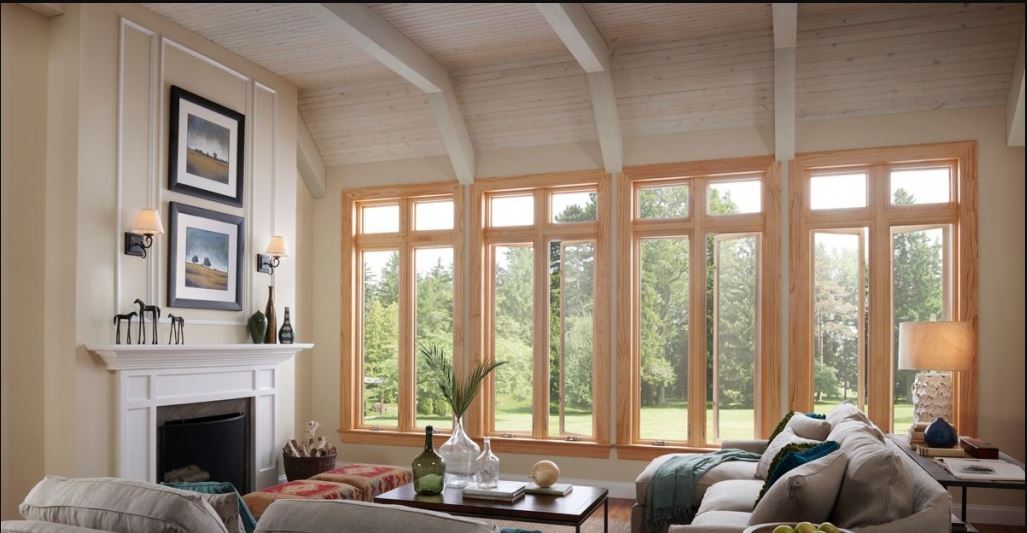
Wood clad windows pair a real wood interior with a protective exterior shell. This design preserves the warmth and detail of wood inside the home while shielding it from outdoor exposure. These windows often appear in custom builds or homes where architectural detail matters. The craftsmanship allows for precise sizing and tailored finishes that standard options may not offer.
Vinyl Windows: Engineered for Efficiency
Vinyl windows rely on consistency rather than customization. PVC frames are manufactured to tight tolerances, which helps with air sealing and repeatable performance. Quality matters here. Well-made vinyl windows resist moisture, insects, and everyday wear, making them a popular option for homeowners who want dependable results with minimal effort.
Appearance and Design Flexibility
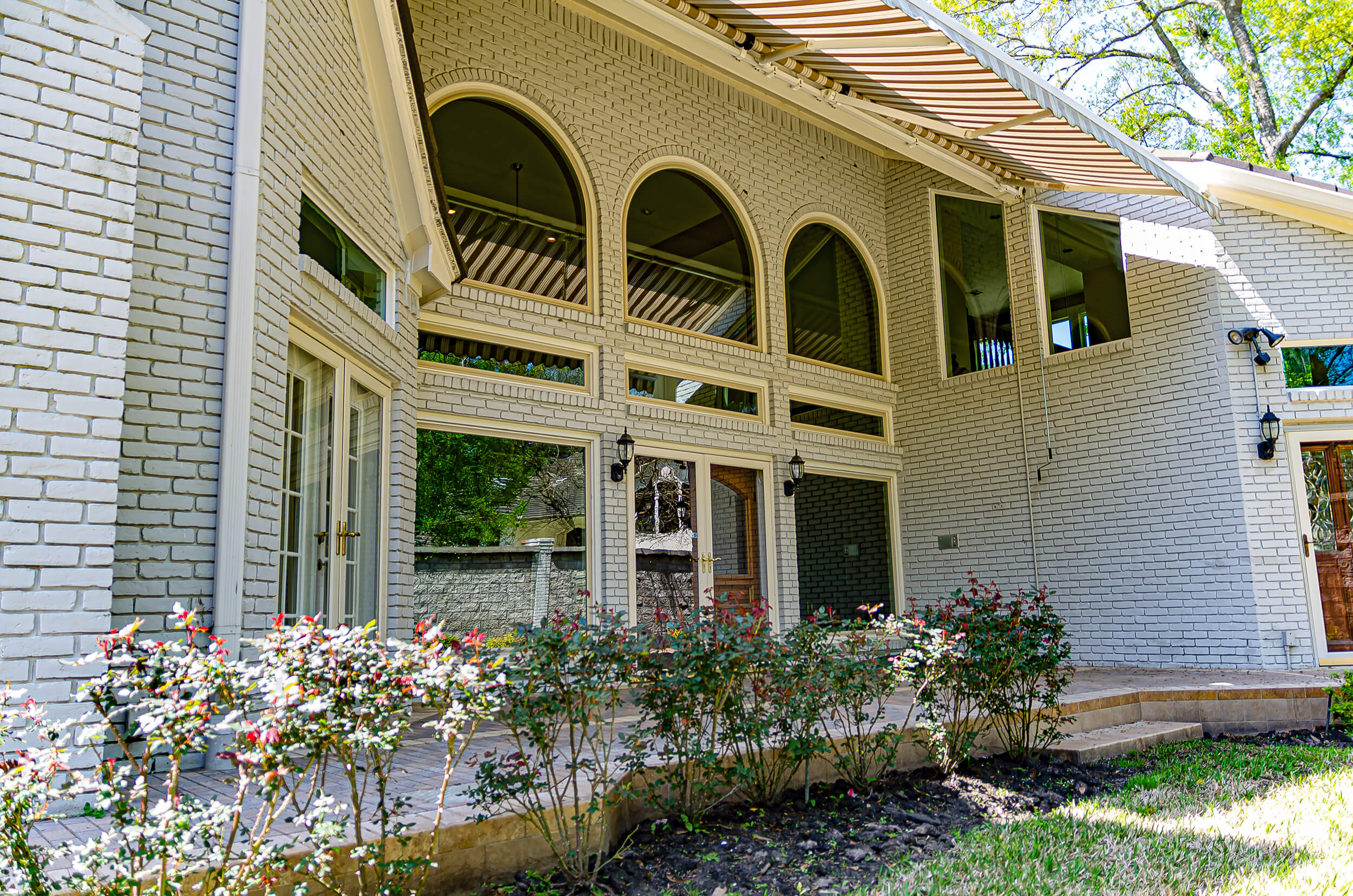
Windows play a big role in your home’s curb appeal and how it feels inside every day. The material you choose affects texture, color options, and how much freedom you have to tweak the look over time. Some homeowners want warmth and character, while others prefer a clean, consistent style that stays low effort. The difference between wood clad and vinyl windows really shows up in how much visual flexibility each offers.
Homeowners who prioritize design and visual character often lean toward wood clad windows. These windows feature real wood interiors that bring natural warmth and depth, and they can be painted or stained to match changing styles. They also fit beautifully in historic, luxury, or custom homes. On the other hand, homeowners who want simplicity and consistency usually go with vinyl windows. Vinyl provides a clean, uniform appearance across all window styles, comes with fewer color and finish options to reduce decision fatigue, and works well with modern or standard home designs.
Energy Efficiency and Performance
Both wood and vinyl windows can be energy efficient when installed correctly. Glass packages, sealing, and frame design all matter. The window material affects insulation and how well the frame holds air over time.
How Wood Windows Perform
Wood has natural insulating properties, which helps with indoor comfort. Paired with high-quality glass, wood clad windows can perform very well. Maintenance plays a role in keeping that performance strong.
Here is what impacts wood window performance:
- Natural insulation from wood interiors
- Works well with advanced glass packages
- Proper sealing and care keep efficiency high
How Vinyl Windows Perform
Vinyl frames are engineered to trap air and reduce leakage. Welded corners help maintain tight seals year after year. Performance stays consistent with minimal upkeep.
Here is what supports vinyl window efficiency:
- Multi-chambered frames for insulation
- Welded corners that reduce air leaks
- Reliable performance with little maintenance
Maintenance, Durability, and Longevity
The biggest difference between wood and vinyl windows usually shows up years down the road. Weather, climate, and daily wear all affect how long windows last. Choosing the right material helps reduce future repairs and maintenance stress.
Wood clad windows protect the exterior with durable cladding, but the interior wood still needs occasional care. Painting or sealing helps protect against moisture and sun exposure. When properly maintained, wood windows can last for decades and keep their high-end look.
Vinyl windows require much less upkeep. They do not need painting or staining and resist moisture and insects well. In extreme heat or heavy sun exposure, lower-quality vinyl may fade or warp over time, which makes material quality an important factor.
Cost Considerations: Upfront vs. Long-Term Value
Budget matters, but so does long-term return. The purchase price is only part of the story. Maintenance, lifespan, and resale value all factor into total cost.
Wood clad and vinyl windows serve different financial goals. One focuses on design and architectural value, while the other focuses on predictable ownership costs.
| Feature | Wood Clad Windows | Vinyl Windows |
| Upfront Cost | Higher initial investment | Lower entry price |
| Maintenance | Moderate interior upkeep | Very low upkeep |
| Longevity | Decades with care | Decades with consistent performance |
| Resale Impact | Adds appeal to high-end homes | Appeals to budget-focused buyers |
| Best Fit | Custom and luxury homes | Standard and investment homes |
Climate and Location Factors
Not all windows perform the same in every environment. Heat, humidity, cold, and sun exposure affect materials differently, and installation quality matters just as much as the material itself. Understanding how each material reacts to climate helps prevent long-term issues and ensures your windows last.
How Wood and Vinyl Handle Heat, Cold, and Humidity
| Material | How It Responds to Climate |
|---|---|
| Wood Clad | Naturally expands and contracts with temperature changes; can be sensitive to moisture if not properly sealed; requires professional installation to maintain longevity |
| Vinyl | More stable in heat and humidity; resists moisture and warping; color may fade slightly under prolonged sun exposure; professional installation still recommended for best performance |
Which option works best in different regions?
- Hot, humid climates often favor vinyl because it resists warping and moisture
- Cold or seasonal areas suit both wood and vinyl, depending on insulation needs
- Heavy sun exposure may gradually affect vinyl’s color over time, so consider shading or window treatments
Which Type of Home Benefits Most From Each Option
No single window material works best for every home. The right choice depends on the home’s style, renovation goals, and how long the homeowner plans to stay. Some homes benefit more from design flexibility and visual impact, while others benefit from predictable costs and low maintenance.
| Home Type or Priority | Wood Clad Windows | Vinyl Windows |
|---|---|---|
| Home style | Best for historic, custom, or architecturally detailed homes | Best for standard, modern, or uniform home designs |
| Renovation goal | Supports high-end renovations where aesthetics matter | Works well for budget-focused updates |
| Ownership timeline | Ideal for long-term homeowners investing in design | Ideal for short- to mid-term ownership |
| Maintenance preference | Suits homeowners comfortable with some upkeep | Suits homeowners wanting minimal maintenance |
| Property type | Strong fit for luxury primary residences | Strong fit for rentals or investment properties |
Wood vs. Vinyl Window Questions
Are wood windows more energy efficient than vinyl?
Energy efficiency depends more on the glass package and installation than the frame material alone. Both wood clad and vinyl windows can meet or exceed today’s energy standards when installed correctly. Frame design, air sealing, and insulation inside the frame all affect how well a window performs. Choosing high-quality glass and professional window installation often makes a bigger difference than choosing wood vs vinyl by itself.
Do wood windows increase home value?
Wood clad windows often attract buyers who care about design, quality, and long-term value. They can boost curb appeal and make a home feel more custom or high-end. In luxury or historic homes, this visual impact can support a higher resale price. The actual value increase depends on your local market and what buyers expect in homes like yours.
How long do vinyl windows last?
High-quality vinyl windows can last 20 to 40 years when installed properly. They hold up well to moisture and daily use, which helps them age consistently over time. In extreme heat or heavy sun exposure, vinyl may slowly fade or warp depending on the material quality. Choosing a well-made vinyl window helps ensure long-term performance and comfort.
Can wood windows rot or warp?
Yes, wood can rot or warp if it is exposed to moisture without protection. Wood clad windows reduce this risk by adding a durable exterior layer that shields the wood from the elements. Modern manufacturing and protective treatments also improve resistance to moisture and temperature changes. Regular interior maintenance helps wood windows last for decades.
Are vinyl windows really maintenance-free?
Vinyl windows are very low maintenance, but they are not completely maintenance-free. You still need to clean the frames and glass to keep them working smoothly. Periodic inspections help catch issues like worn seals or hardware problems early. In harsh weather conditions, long-term exposure can still affect vinyl over time.
Are Wood Windows Better Than Vinyl?
So, are wood windows better than vinyl? The answer depends on what matters most to you. Both options offer strong benefits, and neither is a one-size-fits-all solution. Understanding your lifestyle, budget, climate, and home style leads to the right decision.
As window replacement experts in Houston we help you compare vinyl windows versus wood clad options based on real needs, not sales pressure. As window replacement experts in Houston we guide you through materials, performance, and long-term value so you feel confident in your choice.
Ready to upgrade your windows? Request a free consultation today and get expert guidance tailored to your home.