Windows don’t last forever, and in a place like Houston, that reality shows up faster than most homeowners expect. With intense heat, high humidity, and frequent storms, your windows take a constant hit that can affect your comfort, energy bills, and your home’s appearance. Small issues like drafts, condensation, or sticking frames can quickly turn into bigger problems if ignored. Understanding how long windows typically last and recognizing early warning signs can help you avoid costly repairs. If you’re starting to question their performance, it may be time to take a closer look.
Key Takeaways
- Window lifespan depends on material quality, installation, and ongoing maintenance
- Houston’s heat, humidity, and storms can shorten overall window performance
- Early warning signs like drafts, leaks, or condensation help prevent costly repairs
- Vinyl, wood-clad, and aluminum windows each offer different lifespans and upkeep needs
- Regular maintenance can significantly extend window life and improve efficiency
Factors That Influence Window Lifespan
Several factors determine how long your windows will last. Material quality, installation, maintenance, and Houston’s climate all play a role in how well your windows perform over time. Understanding these factors can help you make smarter decisions and avoid replacing your windows sooner than necessary.
Material Quality
The material you choose has a direct impact on lifespan and upkeep. Wood-clad windows offer a timeless look but need regular maintenance to prevent rot or warping in humid conditions. Vinyl windows are a popular low-maintenance option, though they can expand or warp under extreme heat. Aluminum windows are known for their strength and durability, making them a reliable choice in harsh weather. Selecting the right material for your environment helps your windows last longer and perform better.
Installation Process
Even high-quality windows can fail early if they are not installed correctly. Poor installation can lead to gaps, drafts, and water leaks, all of which reduce efficiency and shorten lifespan. Professional installation helps ensure a proper fit, smooth operation, and better long-term performance.
Maintenance Habits
Routine maintenance plays a major role in extending window life. Simple tasks like cleaning, checking seals, and lubricating moving parts can prevent wear and tear. Ignoring small issues can lead to bigger problems, including damage that requires full window replacement.
Environmental Conditions
Houston’s climate can be tough on windows. High humidity, strong sun exposure, and frequent storms all contribute to wear over time. Moisture can damage wood, heat can affect vinyl, and heavy rain can weaken seals. Choosing materials suited for this climate and staying on top of maintenance can help reduce these effects.
Usage Patterns
How often you use your windows also matters. Windows that are opened and closed frequently or exposed to strong winds may wear out faster. Paying attention to how your windows function day to day can help you spot early signs of wear and plan for repairs or replacement when needed.
Common Signs It’s Time for a Window Replacement
Knowing when to replace your windows can help you avoid higher energy costs and ongoing discomfort. While some issues start small, they often point to bigger problems with insulation, seals, or overall performance. Recognizing these warning signs early can help you decide when it’s time to upgrade.
| Sign | What It Means | Why It Matters |
| Drafts & Leaks | Air is getting through gaps or worn seals | Reduces comfort and increases energy bills |
| Difficulty Operating | Warped frames or mechanical issues | Affects safety, security, and usability |
| Visible Damage | Cracks, rot, or broken glass | Impacts performance and poses safety risks |
| Condensation Between Panes | Failed seals | Reduces insulation and can lead to mold growth |
| Increased Energy Bills | Poor window efficiency | Forces HVAC systems to work harder |
How the Climate in Houston Affects Window Life
Houston’s climate can take a toll on your windows over time. With constant exposure to heat, humidity, storms, and heavy rain, window materials and seals are under ongoing stress. These conditions can speed up wear and reduce overall performance, making it important to choose the right materials and stay on top of maintenance. Here’s how Houston’s weather impacts your windows:
- High humidity: Moisture can cause wood-clad windows to warp, rot, or develop mold, weakening the frame over time.
- Extreme heat: Prolonged heat can lead to expansion and contraction, which may cause vinyl to warp and put stress on window seals.
- Hurricane season: Strong winds and flying debris can damage windows, making durability and impact resistance especially important.
- UV exposure: Constant sunlight can fade frames and weaken materials, reducing both appearance and lifespan.
- Heavy rainfall: Frequent rain can wear down seals, increasing the risk of leaks and water damage if not properly maintained.
Different Types of Windows and Their Expected Lifespan
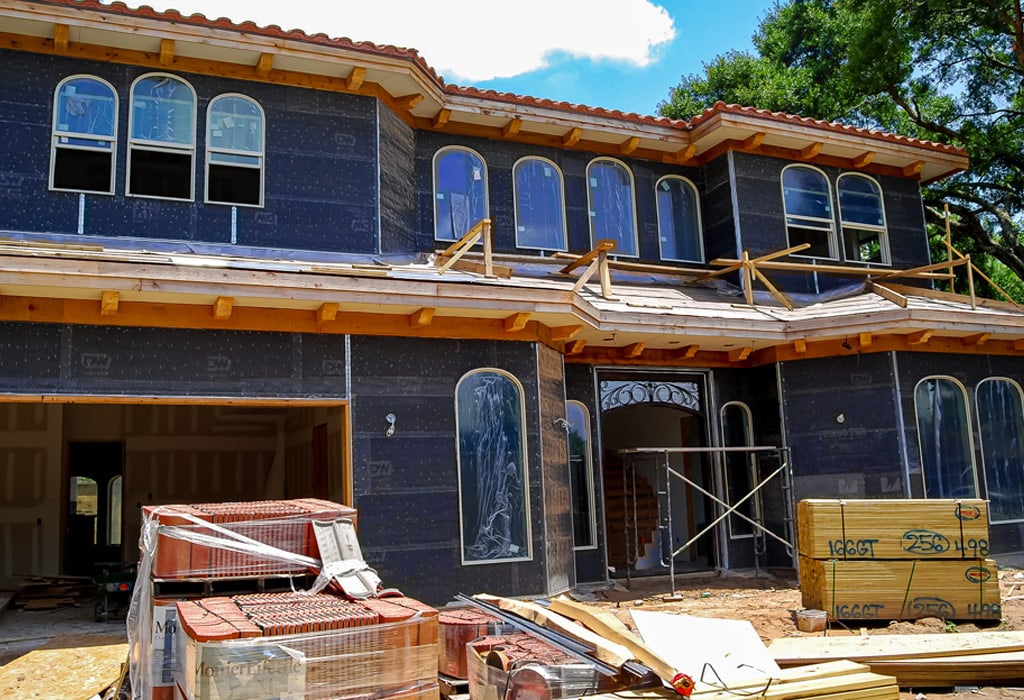
The type of window you choose plays a major role in how long it will last and how much upkeep it requires. Vinyl, wood-clad, and aluminum windows each offer different benefits, especially in Houston’s climate. Understanding how they compare can help you choose the right option for your home and avoid early replacement.
| Window Type | Average Lifespan | Maintenance Level | Key Benefits | Potential Drawbacks |
| Vinyl | 20–40 years | Low | Affordable, moisture-resistant, no painting needed | Can warp in extreme heat |
| Wood-Clad | 30+ years | High | Classic appearance, strong insulation | Requires regular sealing or painting |
| Aluminum | 20–25 years | Low | Durable, strong, corrosion-resistant | Conducts heat, less energy efficient |
Tips for Maintaining Your Windows to Extend Their Life
Taking care of your windows doesn’t have to be complicated, but it does make a big difference. With regular upkeep, you can extend their lifespan, improve energy efficiency, and avoid costly repairs down the line. A few simple habits can keep your windows performing as they should. To keep your windows in good condition, focus on these key maintenance tasks:
- Clean regularly: Remove dirt and debris from glass, frames, tracks, and sills to prevent buildup and damage.
- Check seals: Inspect for cracks or wear that could lead to drafts, leaks, or reduced efficiency.
- Lubricate moving parts: Apply lubricant to tracks and hinges to keep windows opening and closing smoothly.
- Handle repairs early: Fix small issues like chips, cracks, or warping before they turn into bigger problems.
- Use protective coatings: Add UV-resistant coatings to help reduce sun damage and extend the life of your windows.
How Long Do Windows Last FAQ
Is it worth replacing 20-year-old windows?
In many cases, yes, especially if the windows are showing signs of wear or reduced performance. After 20 years, even well-made windows may struggle with insulation, seals, and smooth operation. Replacing them can improve energy efficiency, comfort, and overall home value.
How do I know when windows need to be replaced?
Common signs include drafts, condensation between panes, difficulty opening or closing, and visible damage like cracks or rotting frames. You may also notice higher energy bills as your HVAC system works harder to maintain temperature. If several of these issues are present, replacement is usually more cost-effective than ongoing repairs.
Is it cheaper to replace all windows at once?
Replacing all windows at the same time is often more cost-effective in the long run. Bundling the project can reduce labor costs and may lower the overall price per window. It also ensures consistency in style, performance, and energy efficiency throughout the home.
How often should windows be replaced?
Most windows last between 20 and 40 years depending on the material and maintenance. Vinyl, wood-clad, and aluminum windows all have different lifespans, with upkeep and climate playing a major role. In a climate like Houston, windows may need replacement closer to the lower end of that range if they are not well maintained.
How long do vinyl, wood-clad, and aluminum windows last?
Vinyl windows typically last 20 to 40 years and are known for their low maintenance and moisture resistance. Wood-clad windows can last 30 years or more but require regular sealing or painting to prevent deterioration. Aluminum windows generally last 20 to 25 years and are valued for their strength and durability, especially in harsh weather conditions.
How Long Windows Last and When to Replace Them
Window lifespan typically ranges from 20 to 40 years, but Houston’s heat, humidity, and storm conditions can shorten that timeline. Knowing what affects window performance, from material type and installation quality to regular maintenance, helps you better understand when repairs or replacement may be needed. Recognizing early warning signs like drafts, condensation, and rising energy bills can help you avoid unnecessary costs and maintain a more comfortable, efficient home.
As window replacement experts in Houston, we help homeowners choose the right window solutions based on durability, efficiency, and long-term value. Every project is handled with careful attention to proper installation and performance, so your windows are built to last in local conditions.
Request a free consultation today to find out if it’s time to repair or replace your windows and explore the best options for your home.