Choosing the right windows can transform how your home looks, feels, and breathes, but with so many options, the decision isn’t always straightforward. Casement and sliding windows are two of the most popular styles, each with distinct strengths. Casement windows open fully, delivering superior airflow and a classic elegance, while sliding windows offer a sleek, space-saving design that’s effortless to operate. So which one is right for your home? Let’s break it down.
Key Takeaways
- Casement windows provide maximum ventilation, making them ideal for airflow enthusiasts
- Sliding windows are perfect for tight spaces with their space-saving design
- Energy efficiency tends to favor casement windows due to their tighter seals
- Maintenance and cost often give sliding windows the upper hand
- Your choice should reflect your home’s style and specific needs
Key Differences Between Casement and Sliding Windows
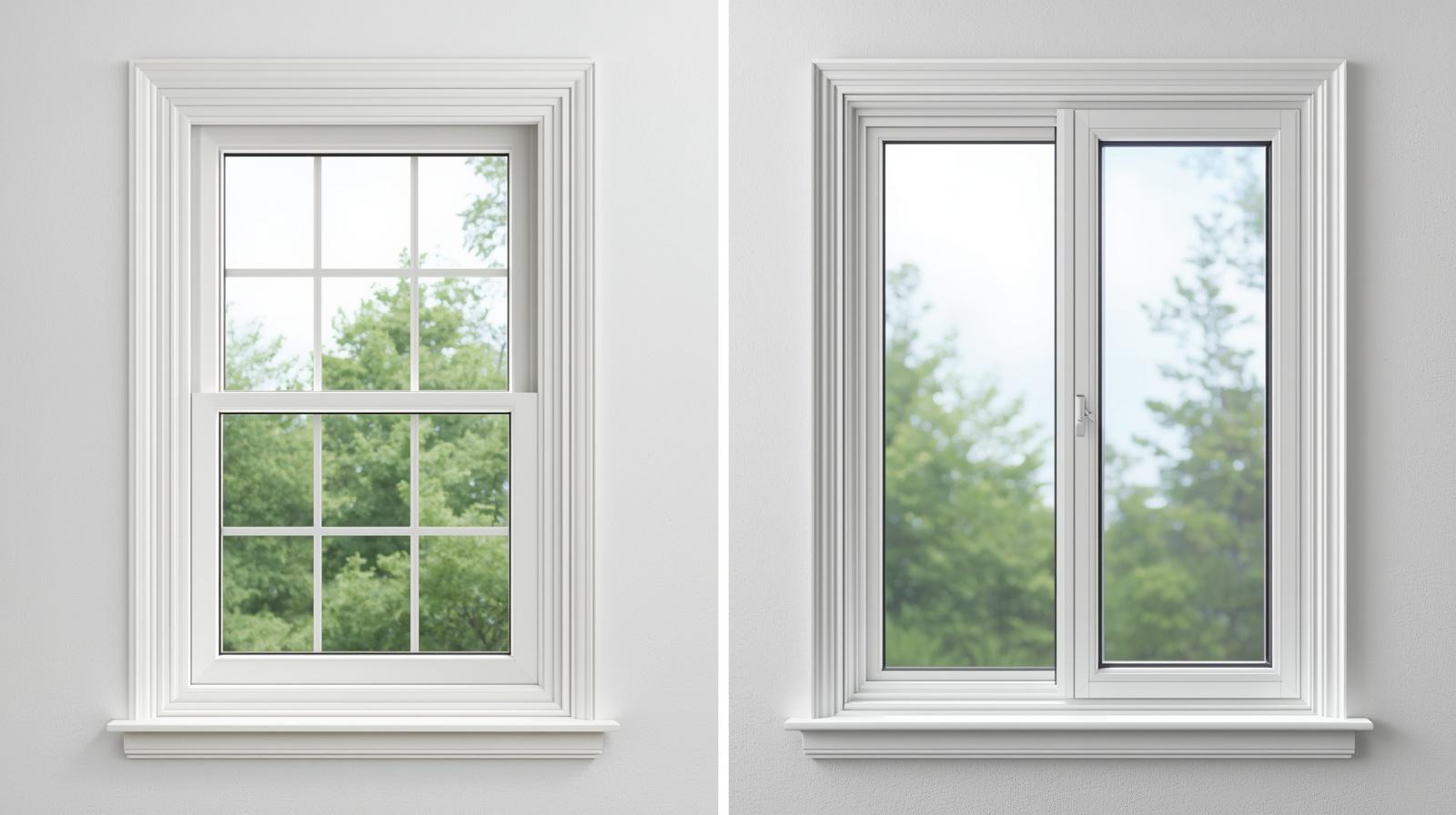
When selecting windows, understanding the key differences between casement and sliding windows is crucial. Each type has distinct characteristics in how they operate, its aesthetic appeal, and its energy efficiency, and these differences can significantly impact your comfort and costs. As Todd Dimmitt, our sales manager with over two decades of experience in the Houston replacement window market, puts it: the right window comes down to matching the product to the home, not just picking a style you like.
| Feature | Casement Windows | Sliding Windows |
| How They Open | Crank outward, fully open | Slide horizontally, open halfway |
| Ventilation | Maximum airflow from multiple directions | Moderate, more controlled airflow |
| Aesthetic | Traditional, classic charm | Sleek, modern, contemporary |
| Energy Efficiency | Tight seals, fewer drafts | Weaker seals, more potential for drafts |
| Maintenance | More moving parts, more upkeep | Fewer moving parts, easier upkeep |
Ultimately, neither window is universally better; it comes down to your priorities. If airflow and energy efficiency top your list, casement windows have the edge. But if you prefer a low-maintenance, modern aesthetic that fits into tighter spaces, sliding windows may be the smarter fit.
Pros and Cons of Casement Windows
Casement windows are a popular choice for homeowners who prioritize airflow, energy efficiency, and classic style. Their full-open design and tight seals make them one of the most functional window styles on the market, but they do come with a few trade-offs worth considering.
Pros:
- Open fully, maximizing ventilation and capturing breezes from multiple directions
- Tight seals prevent air leakage, improving energy efficiency and lowering energy bills
- Available in a variety of styles and finishes to complement any home design
Cons:
- Outward-opening design can obstruct walkways, patios, or outdoor furniture
- Harder to clean, especially on upper floors, where outside access requires a ladder
- Higher upfront cost compared to sliding windows
Casement windows are a smart long-term investment for those who value fresh air and energy savings. However, if your outdoor space is limited or easy maintenance is a priority, it’s worth weighing those drawbacks carefully before committing. At Milestone, we carry trusted brands like Andersen, Pella, and PGT that offer casement windows in a wide range of styles and finishes to complement any home design.
Pros and Cons of Sliding Windows
Sliding windows are a practical, budget-friendly option that excel in simplicity and space efficiency. Their sleek, horizontal design makes them a natural fit for modern homes, particularly in areas where outdoor clearance is limited.
Pros:
- Space-saving design requires no outward clearance, ideal for patios, walkways, and urban homes
- Glide effortlessly along a track, making them easy to operate for all ages
- Both sides of the glass are accessible from inside, making cleaning simple and hassle-free
- Lower upfront cost makes them a more affordable option for budget-conscious homeowners
Cons:
- Only open halfway, limiting the amount of fresh air that can circulate
- Weaker seals compared to casement windows, which can lead to drafts and higher energy bills
- Tracks can collect dirt and debris over time, causing them to stick or slide less smoothly
Sliding windows are an excellent choice for homeowners who want a low-maintenance, affordable window that fits seamlessly into modern spaces. Just keep in mind that if energy efficiency or maximum ventilation are top priorities, you may find them falling a little short. Of course, whichever style you choose, the quality of the installation matters just as much as the window itself; something our Houston customers know firsthand:
“Great experience from start to finish. Todd even followed up a week after install to see how things were going with our new windows. The install is the most important part of new windows and the installers were excellent.” – Robert B
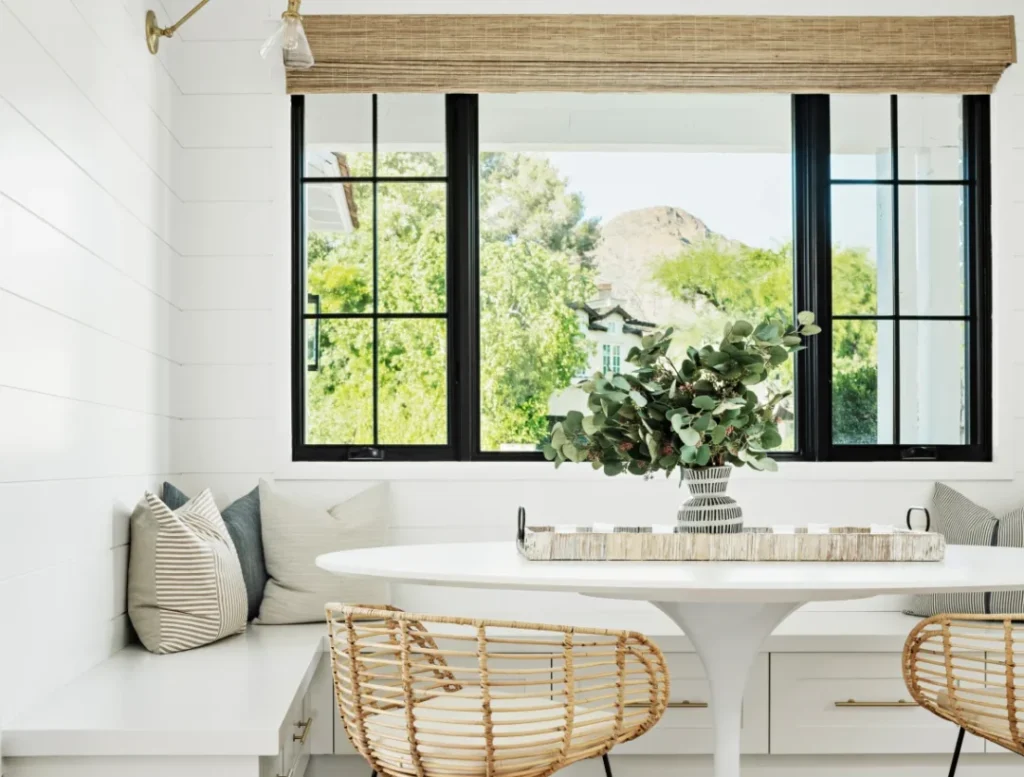
Ventilation: Casement vs Sliding Windows
When it comes to fresh air, casement windows win hands down. Because they open fully, they pull in breezes from multiple directions, keeping your home cool and comfortable. Sliding windows only open halfway, so less air gets in, but if you just want a light breeze, that might be all you need. The bottom line: if fresh air is a top priority, go with casement. If a little airflow is enough, sliding windows will do the job just fine.
Space Efficiency: Which Window Takes the Lead?
If space is tight, sliding windows are the clear winner. They don’t swing open, so they won’t bump into outdoor furniture, block walkways, or get in the way. Casement windows open outward, which can be a problem if your outdoor space is limited. Inside your home, sliding windows also give you more flexibility with furniture placement near the window. Simple, compact, and unobtrusive; sliding windows just fit.
Casement vs Sliding Window FAQs
Can casement or sliding windows be used in all climates?
Both window styles can work in most climates, but casement windows tend to perform better in colder regions thanks to their tighter seals. Sliding windows are a popular choice in mild climates where extreme insulation isn’t as critical. Always look for windows with good weatherstripping and energy ratings, no matter where you live.
Which window is better for noise reduction?
Casement windows generally block more noise due to their tighter seal when closed. Sliding windows, with their weaker seals, let in a bit more outside sound. If you live near a busy road or noisy neighborhood, casement windows are the better pick.
Which window is safer for homes with children?
Casement windows can be easier to childproof since they’re controlled by a crank that young kids can’t easily operate. Sliding windows can be fitted with track locks to limit how far they open, adding an extra layer of safety. Either style can be made child-safe with the right hardware and precautions.
Can I mix casement and sliding windows in the same home?
Absolutely; mixing window styles is a great way to get the best of both worlds. You might use casement windows in bedrooms and living areas where ventilation matters most, and sliding windows in tighter spaces like bathrooms or narrow walls. Just make sure the styles complement each other so your home looks cohesive from the outside.
Which window adds more resale value to a home?
Casement windows tend to add more resale value due to their energy efficiency and classic appeal. That said, sliding windows can also be a selling point in modern homes where buyers value clean lines and low maintenance. The biggest value boost comes from choosing quality windows in either style rather than the style itself.
Casement or Sliding: Which is Best for Your Home?
Choosing between casement and sliding windows comes down to what matters most in your home; whether that’s maximum airflow, space efficiency, energy savings, or ease of maintenance. Casement windows deliver superior ventilation and tighter seals, while sliding windows offer a sleek, low-maintenance design that fits beautifully into modern spaces. The right choice depends on your home’s layout, your climate, and how you use each room.
As experienced window professionals serving the Greater Houston area, we help homeowners find the perfect window style for their specific needs and budget. Every installation is carefully measured, properly sealed, and completed to ensure lasting performance and curb appeal, whether you’re upgrading a single room or replacing windows throughout your home.
Request a free consultation today to explore the best window options for your home and see how the right windows can improve your comfort, lower your energy bills, and elevate your living space for years to come.