Windows are often overlooked when energy bills keep rising, but they can have a major impact on your home’s comfort and efficiency. If some rooms feel colder in winter or too warm in summer, the problem may be coming from the windows rather than the heating or cooling system.
Many homeowners choose glazed windows based on looks or price, only to find that comfort does not improve and energy costs stay the same. With so many glazing options and bold efficiency claims, it can be hard to know what actually works and what does not.
Understanding how glazed windows affect heat, comfort, and energy use makes it easier to choose the right option. Knowing what to look for helps ensure better performance, lower energy waste, and a more comfortable home year-round.
Key Takeaways
- Windows can account for a significant amount of heat loss, making glazing choice critical for comfort and energy savings
- Double-glazed windows offer the best balance of insulation, performance, and cost for most homes and climates
- Features like Low-E glass, gas-filled panes, and proper spacing have a greater impact than frame color or style
- Energy ratings such as U-value and SHGC provide tested proof of real window performance
- Proper installation is just as important as the window itself for preventing drafts, heat loss, and wasted energy
What “Energy Efficient” Really Means for Glazed Windows
Energy-efficient glazed windows control how heat moves through your home. In winter, heat escapes through window glass and gaps in the window frame. In summer, heat sneaks in through visible light and warm air. Real efficiency comes from how the window and glazing work together, not fancy labels. Look for proven features like multiple panes of glass, gas-filled layers, and strong seals; not sales talk.
Double Glazing vs Triple Glazing
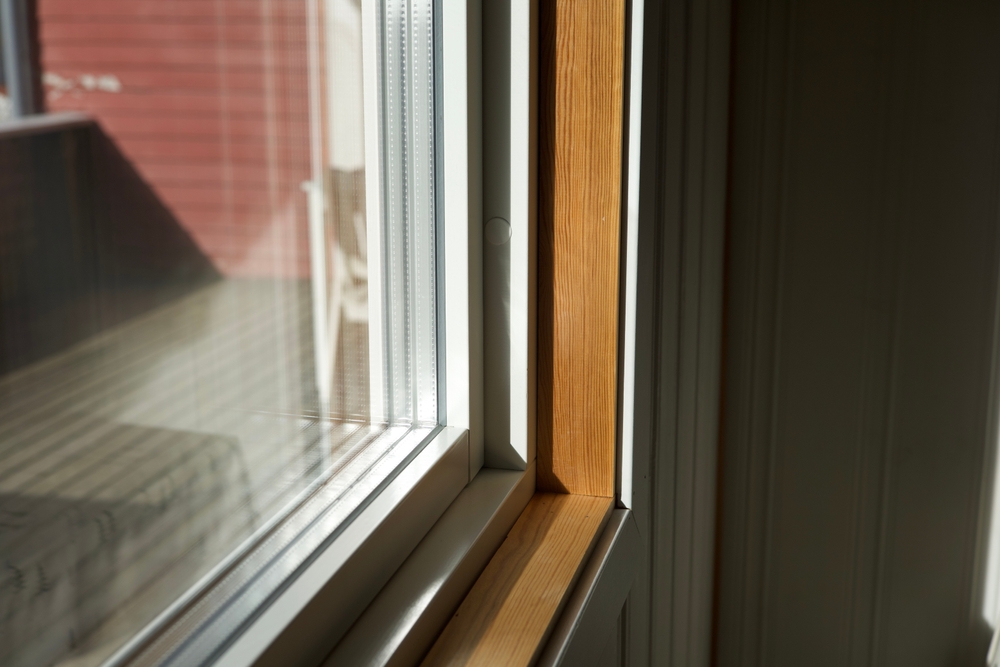
Double-glazed windows use two panes of glass with a sealed, gas-filled space between them. This setup reduces heat loss far better than single-pane windows, which only have one layer of glass. For most homes, double glazing offers strong insulation, solid energy savings, and better comfort without extra cost. Triple-glazed windows add a third pane, which can help in very cold climates or noisy areas, but they are often unnecessary for average homes and mild-to-moderate weather.
| Feature | Single Pane Windows | Double-Glazed Windows | Triple Glazed Windows |
| Panes of glass | 1 | 2 | 3 |
| Insulation level | Low | High | Very high |
| Heat loss control | Poor | Strong | Excellent |
| Energy savings | Minimal | Significant | Slightly higher |
| Typical cost range (installed) | $150-$400 per window | $450-1,000 per window | $800-$1,500+ per window |
| Best use | Older homes, sheds | Most homes | Cold climates, special needs |
| Weight on window frame | Light | Moderate | Heavy |
For most homeowners, double-pane windows strike the right balance between performance, comfort, and cost.
Glass Features That Actually Make a Difference
Small details inside the glazed glass window often determine real performance more than the window frame style or color. Key glass features help control heat, improve comfort, and boost energy efficiency:
- Low-E glass reflects heat back into your home during winter and blocks outdoor heat in summer, reducing heat loss while letting in natural light
- Argon gas filling replaces regular air between panes to slow heat movement and enhance insulation
- Proper pane spacing creates an insulating pocket that helps maintain steady indoor temperatures in both double- and triple-glazed windows
Focusing on these features ensures your windows perform as promised without unnecessary extras.
Making Sense of Window Energy Ratings
Understanding energy ratings is essential to choosing windows that actually deliver comfort and lower energy costs. These numbers measure tested performance instead of relying on marketing claims:
- U-value indicates how much heat passes through the window; lower numbers mean better insulation and less heat loss
- Solar Heat Gain Coefficient (SHGC) measures how much solar heat enters through the glass; lower values reduce summer heat while still allowing visible light
- Certified ratings come from independent testing, proving the window and glazing perform as claimed
By paying attention to these ratings, you can select energy-efficient windows that truly improve comfort and efficiency year-round.
Why Window Frames Matter More Than You Think
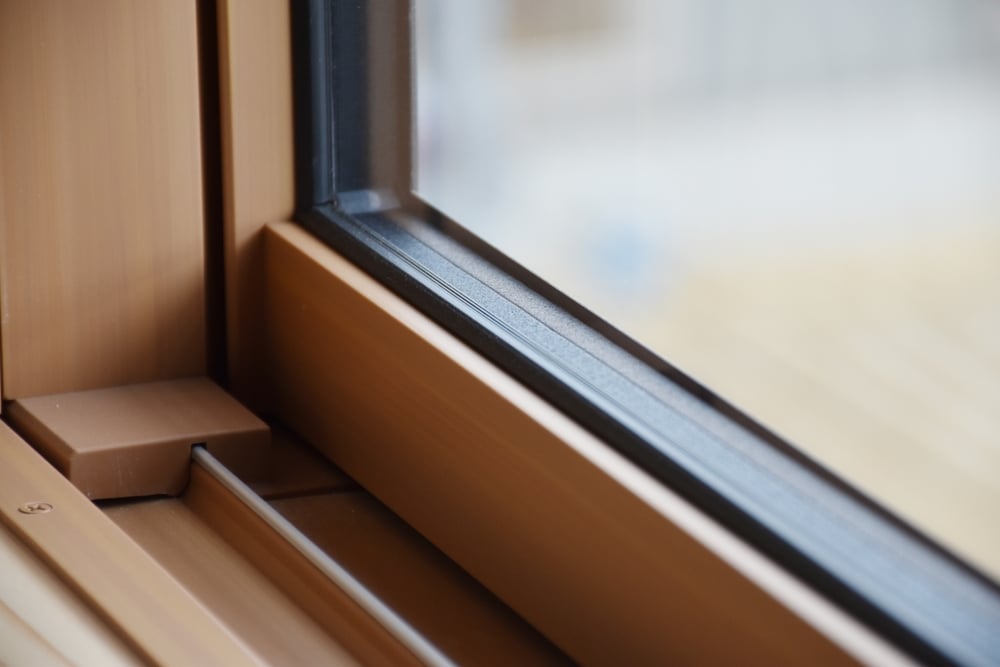
A high-performance glazed glass window can still fail if the window frame is not built to insulate and seal properly. Gaps, weak materials, or poor installation allow air to move freely, increasing heat loss and reducing energy savings. Energy-efficient windows rely on the frame to support the glass, lock in insulation, and block drafts.
Common frame materials include vinyl windows, aluminum windows, and wood-clad windows, with vinyl offering strong insulation and long-term durability. When the frame and glazing work as one system, they help maintain indoor comfort, control temperature changes, and keep unwanted air outside where it belongs.
Choosing Glazed Windows That Suit Your Climate
The right glazed windows depend on where you live and how temperatures change throughout the year. In warmer areas, reducing heat gain is key. Features like Low-E glazed glass, gas-filled spaces, and well-sealed window frames help block excess heat while still letting in visible light. In colder regions, the focus shifts to limiting heat loss with double-glazed windows, triple-pane windows, and insulated frames that keep warmth inside.
The U.S. Department of Energy explains that ENERGY STAR windows have certified U‑factor and Solar Heat Gain Coefficient ratings based on the climate zone where the window will be installed, so you can pick windows that match your regional needs.
For places with changing seasons, balance matters most. A mid-range glazing option with efficient window glass, strong seals, and certified performance can handle summer heat and winter cold without overcorrecting. This approach keeps your home comfortable year-round while avoiding features that add cost without real benefits.
Why Installation Quality Makes or Breaks Performance
Even the best glazed windows and double-glazed doors can underperform if they aren’t installed correctly. Poor installation allows drafts, gaps, or leaks that let heat escape in winter and sneak in during summer, reducing energy savings and comfort. Homeowners may notice higher energy bills, foggy panes, or warped frames when installation isn’t done right.
Professional installation ensures windows are level, plumb, and properly sealed, which maximizes insulation and keeps warranties valid. Correct alignment and secure fastening prevent stress on the glazing and frame, reducing the risk of cracks, warping, or hardware failure over time.
Well-installed windows also enhance overall home performance. Tight seals and proper support reduce noise, prevent moisture or pest intrusion, and maintain consistent indoor temperatures. Investing in expert installation ensures your glazed windows deliver comfort, energy efficiency, and long-term durability.
Cost, Savings, and Long-Term Value
Investing in energy-efficient glazed windows might feel like a bigger upfront expense, but the benefits extend far beyond the initial cost. The right window and glazing combination improves comfort, reduces energy bills, and can even increase your home’s overall value. Focusing on features that truly make a difference ensures you get long-term returns without overspending on unnecessary extras.
Upfront Cost vs. Long-Term Savings
While double-glazed windows or triple-pane windows cost more than single-glazed windows, they significantly lower heat loss and cooling costs. Over time, the money saved on energy bills can more than cover the initial investment.
Comfort and Home Value
Well-insulated windows keep your home at a consistent temperature, reduce drafts, and make indoor spaces more enjoyable. Energy-efficient windows are also attractive to buyers, adding value if you ever decide to sell.
Avoid Paying for Features You Don’t Need
Not every fancy coating, decorative pane, or extra glazing layer improves performance for your climate. Focus on features like Low-E glass, gas-filled panes, and strong frames that provide measurable energy savings and durability.
Glazed Window Questions
How long do double-glazed windows typically last?
Double-glazed windows can last 20 to 30 years or more when properly installed and maintained. The sealed panes of glass and gas-filled layers are designed to resist moisture and air leaks over time. Choosing quality materials and a well-insulated frame helps the windows maintain their energy efficiency throughout their lifespan.
Can glazed windows reduce outside noise?
Yes, double-glazed windows and triple-pane windows help reduce outside noise. The multiple panes of glass, along with the air or gas-filled space between them, act as a sound barrier. Laminated glass or thicker panes can further improve noise reduction, making your home quieter and more comfortable.
Are energy-efficient windows harder to clean?
Not really. Glazed windows with Low-E coatings are easy to maintain. Most coatings are durable and resist smudges or streaks like normal glass. Regular cleaning with mild soap and water is enough, and you won’t need special products to keep the window glass looking clear.
Do all double-glazed windows include gas filling?
Most modern double-glazed windows come with argon or krypton gas between the panes to improve insulation. However, some older or basic models may just have air in the space, which offers less energy efficiency. Checking the specifications ensures you get the added performance that gas-filled glazing provides.
Can glazed windows help with condensation inside the home?
Yes, energy-efficient windows reduce condensation by keeping the interior glass surface closer to room temperature. When heat loss is minimized, and moisture has fewer cold surfaces to settle on, fogging and water buildup decrease. Proper ventilation in combination with double or triple-glazed windows further prevents condensation problems.
Choosing the Right Glazed Windows
Choosing the right glazed windows comes down to understanding glazing type, glass features, frames, energy ratings, climate needs, and proper installation. When all of these work together, the result is better comfort and lower energy use.
Window choices can be confusing, and picking the wrong option often leads to wasted money or disappointing results. Expert guidance helps ensure the windows you choose actually perform the way you expect.
As window replacement experts in Houston, we help homeowners choose glazed windows that suit their home, climate, and budget. The right products and professional installation ensure long-lasting energy efficiency and everyday comfort.
Request a free consultation today to find the right energy-efficient window design for your home.